A mobility scooter is a medical mobility device, and the wrong one is a fall risk. That is why our guides rank on certification, weight capacity and fit before price, and why we recommend an assessment by a doctor, physical therapist or occupational therapist before buying.
This page is the map. Start with where the scooter will actually be used, then follow the guide that matches.
Start here
 Buying guide
Best Mobility Scooters for Seniors
Our main guide. Ranked on FDA Class II status, weight capacity and turning radius before price.
Read the guide → Buying guide
Best Travel and Portable Scooters
Folding and dismantling scooters light enough to move. The heaviest single piece is what matters.
Read the guide →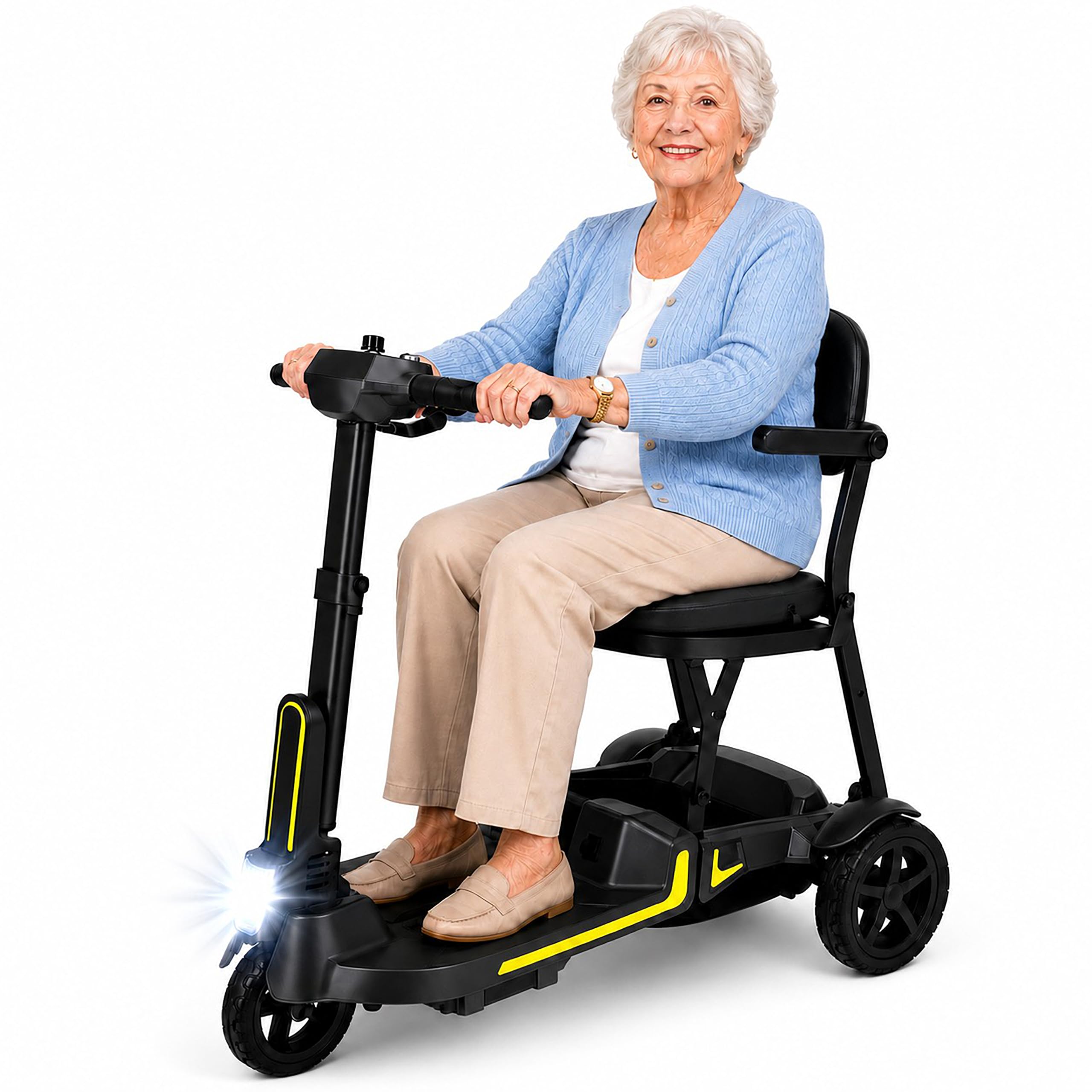 Buying guide
Best Airline-Approved Scooters
Nobody certifies scooters for flying. What decides it is the battery, and the FAA caps it at 300 watt hours.
Read the guide → Buying guide
Heavy-Duty and All-Terrain Scooters
Rated 500 lb and up, for grass, gravel, kerbs and slopes. Real owner review counts published.
Read the guide →ExplainerDoes Medicare Cover a Mobility Scooter?
Yes, conditionally. But Medicare judges whether you need it inside your home, not to get out of it.
Read the explainer →ExplainerMobility Scooter vs Power Wheelchair
Five questions that decide it. Mostly about your body, not the machine.
Read the explainer →ExplainerGetting It Into a Car
Ramps, hoists, tow-bar carriers and dismantling, plus the lifting risk nobody warns carers about.
Read the explainer →ExplainerThree Wheels or Four?
The tightest turning circle against the most stability. The decision that shapes everything else.
Read the explainer →How to choose, in the right order
Most people compare models first. That is the wrong order, and it is why scooters end up unused in garages. Work through these instead:
- Where will it be used? Indoors and smooth pavement is a different machine from grass, gravel and kerbs.
- How will it travel? If it has to go in a car, the heaviest single piece decides everything. If it has to fly, the battery watt-hours decide everything.
- What weight must it carry? Leave real headroom above the rider weight, not a figure equal to it.
- Three wheels or four? Turning circle against stability. There is no universally right answer.
- Can the rider operate it safely? Steering a tiller needs two hands, grip and trunk control. If that is doubtful, the question is a power wheelchair, not a cheaper scooter.
What we rank on
- Certification first. FDA Class II status where it applies, before price or commission.
- Real owner numbers. We publish the actual review count, not just the star average, because a 5.0 from one review tells you nothing.
- Honest cons on every pick, and a section on who each product is not for.
- No paid placements. A commission never buys a better ranking, and we regularly rank a product we earn less from above one we earn more from.
Frequently asked questions
Where should I start?
With the honest question of where the scooter will be used. Mostly indoors and around the neighbourhood points to a standard scooter. Trips that involve a car point to a portable one. Grass, gravel and slopes point to heavy-duty. Flying points to the battery rules. Each of those is a different guide.
What is the single most common buying mistake?
Buying the scooter first and working out transport afterwards. The weight of the heaviest single piece, and the height of your car boot floor, rule out more scooters than any other specification.
Do you test these scooters?
No, and we say so on every guide. Our recommendations come from published specifications, stated certifications, warranty terms and owner feedback, including the real number of reviews rather than just a star average.
Will Medicare pay for one?
Sometimes, but the rule catches most people out: Medicare assesses whether you need the device to move around inside your home, not to get out of it. We have a full explainer on it.
We do not test these products. Recommendations are research-based: published specifications, stated certifications, warranty terms and owner feedback. Nothing here is medical advice, and it should not replace an assessment.
Sources
- US Food and Drug Administration — 21 CFR 890.3910, motorized three-wheeled vehicle, the regulation that classifies mobility scooters as medical devices.
- US Food and Drug Administration — Product classification: powered wheelchair, for how powered wheelchairs are regulated as Class II devices.
Checked September 2026. Regulations and published figures change; verify the current source before acting on anything here.