E-BIKES · BUYING GUIDE · RESEARCH-BASED
The short answer
A folding e-bike solves one specific problem: you have nowhere to put a full-size bike, or you need to bring it onto a train, into an office, or inside an apartment. Our top pick is the COMFLY, largely because it is UL 2849 certified, which on a folding e-bike matters more than any spec on the list. If storage is not your constraint, buy a full-size commuter instead, because it will ride better for the same money.
If your budget stretches: the direct-to-consumer option
The picks above are all bought on Amazon. The best-selling folding e-bike in the United States is not sold there at all, and a folding guide that omits it would be incomplete.
We earn nothing from this recommendation. This bike is sold direct by the manufacturer and we are not in their affiliate programme, so the link below is a plain link with no commission attached. It is here because it is the honest answer for the reader it suits, and we would rather say so than leave it out.
Lectric XP 4, 750W long-range
Who it is for: anyone who wants the folding bike with the largest owner base in the country, and the support and spare parts that come with that.
- Certification: the product page states the bike is “certified to UL 2849” and the battery “certified to UL 2271”, which is both standards named explicitly
- Motor: 750W rear hub, 1310W peak, 85 Nm
- Battery: 48V 17.5Ah, 840Wh
- Claimed range: up to 85 miles
- Top speed: 28 mph, selectable as Class 1, 2 or 3
- Brakes: hydraulic with 180mm rotors
- Tyres: 20 x 3 inch, puncture-resistant with sealant pre-installed
- Folded size: 37 x 17 x 29 inches
- Weight: 62 lb without the battery, battery adds 9 lb
- Capacity: 330 lb payload, 150 lb rear rack
- Price: $1,299 at the time of writing
Why it is worth the gap: 840Wh is more battery than anything else in this guide, the brakes are genuinely hydraulic, and it is the only bike on this page that names both UL 2849 for the bike and UL 2271 for the pack. Being the volume seller also means spare parts, accessories and a large community of owners posting real fault reports, which is worth more than any specification.
The honest con: at 71 lb with the battery in, it is heavier than every folder above and is not something you carry up two flights of stairs. The folded footprint is also larger than the compact 14 and 16 inch bikes here, so measure your boot before assuming it fits.
Ride1Up Portola
Who it is for: the reader who wants certified hardware at close to Amazon money, and does not need the biggest battery.
- Certification: the spec sheet states “ANSI/CAN/UL 2849” for the bike and “TUV Certified to UL 2271” for the battery
- Motor: 48V 750W geared hub, 65 Nm
- Battery: Reention Rhino, 48V 10.4Ah (500Wh) or 13.4Ah (643Wh)
- Claimed range: 20 to 40 miles on the 500Wh, 30 to 50 miles on the 643Wh
- Top speed: 28 mph on pedal assist, 20 mph on throttle
- Class: 1 to 3, adjustable on the display
- Brakes: dual-piston hydraulic, 180mm rotors, motor cut-off
- Tyres: 20 x 3 inch puncture-resistant
- Folded size: 19 x 29.5 x 33 inches
- Weight: 59 lb, 342 lb payload
- Price: from $895 at the time of writing
Why it is here: this is the cheapest fully certified folding e-bike we found anywhere, direct or on Amazon, and at 59 lb it is also the lightest of the direct options. Ride1Up publishes the actual cell supplier and names the testing body, which is more transparency than most of this category offers. If the Lectric is more bike than you need, this is the sensible step down.
The honest con: a cadence-based system rather than a torque sensor, so power arrives in steps rather than in proportion to your effort. 65 Nm is the lowest torque of any direct pick here, and even the larger battery tops out around 643Wh, well under the Lectric.
How we picked. These recommendations come from research, not from us riding every bike. We compared published specifications, warranty and support terms, and the weight of expert and long-term owner reviews. We have not personally ridden every bike here, and we say so plainly rather than imply otherwise.
Disclosure: Sustainable Transportation is reader-supported. When you buy through links on this page, we may earn an affiliate commission at no extra cost to you. A commission never buys a better ranking. See our affiliate disclosure.
Be honest about “portable”
This is the thing most folding e-bike buyers get wrong, so it is worth being blunt. A folding e-bike is compact, not light. Most weigh somewhere in the region of 50 to 65 pounds because the battery and motor weigh what they weigh, regardless of whether the frame hinges in the middle.
What that means in practice: folding is excellent for putting the bike in a car boot, under a desk, in a closet, or in a boat or RV. It is genuinely hard work for carrying up several flights of stairs every day, or lifting onto a high train luggage rack. If your plan involves regularly carrying the bike rather than rolling and stowing it, weight should be your first filter, and you may want to consider a lighter non-folding bike or a lightweight e-bike instead.
Check for UL certification before anything else
This matters more on folding e-bikes than on any other category, because they are the bikes most often stored and charged inside a home or apartment.
UL 2849 is the safety standard covering the whole electrical system: battery, charger, and controller together. Lithium battery fires from uncertified e-bikes have caused deaths and serious injuries, and New York City now bans the sale of uncertified e-bikes outright for that reason. Some insurers and many apartment buildings ask about it too.
If a listing does not state UL 2849 or an equivalent certification, treat that as a reason to look elsewhere. It is the one specification we would not compromise on, and it is why our top pick here is not the cheapest or the lightest.
What to check before you buy
- Folded dimensions, not just “it folds.” Measure the space where it will actually live: the boot of your car, the closet, under the desk. Manufacturers publish folded size for a reason.
- Weight, honestly assessed. Imagine lifting it, loaded, at the end of a long day. If that thought is unpleasant, go lighter.
- Brakes. Hydraulic discs still matter. Small wheels do not reduce the need to stop a heavy, fast bike.
- Removable battery. This is a bigger deal on a folder than anywhere else, because it lets you carry the bike and the battery separately, and charge indoors while the bike lives in a garage.
- Fold mechanism quality. You will use it daily. Latches should feel solid with no flex at the hinge, because that hinge carries your weight.
- Ride comfort. Smaller wheels transmit more road buzz and drop into potholes more easily. Suspension or wider tires help considerably.
Our picks
Five folders, ranked. Two things drive the order: whether the listing states real UL 2849 certification rather than a vaguer claim, and whether the bike is honest about what “folding” actually buys you. Most of these fold for storage. Only one is genuinely carryable.
1. Best Overall: COMFLY EF1 Journey Fat-Tire Folder

Who it is for: someone who wants a folder mainly to solve storage, not to carry it. It folds into a car boot or a hallway cupboard, but you will not be walking it up two flights of stairs.
- Certification: UL 2849 certified, stated in the listing
- Motor: 750W nominal, 1500W peak
- Battery: 48V 20Ah, roughly 960Wh, LG cells, removable
- Claimed range: up to 80 miles on throttle, up to 100 miles with pedal assist
- Top speed: 28 mph, Class 3 territory
- Tires: 20 x 4 inch fat, full suspension, step-through frame
- Owner rating: 4.2 stars from 16 ratings, checked August 2026
Why it earned this spot: the 960Wh battery is more than double what most folders carry, and it uses named LG cells rather than unspecified ones. Combined with UL 2849 certification and full suspension, it is the only bike here that does not ask you to give up something significant. It also has the most owner ratings in this group, which is a low bar but a real one.
The honest con: fat tires plus a 960Wh battery plus full suspension adds up to a heavy bike. Treat this as a bike that folds for storage and car transport, not one you carry. The 28 mph top speed also makes it Class 3, which many shared paths restrict.
Skip it if: you need to lift the bike onto a train, up stairs, or into a flat. Look at the ANCHEER or the RPINT instead.
2. Strongest Safety Paperwork: RPINT 14″ Mini

Who it is for: a commuter who wants the smallest folded footprint available without dropping to a toy-grade battery.
- Certification: UL 2271 for the battery and UL 2849 for the bike, validated by SGS
- Motor: 740W peak
- Battery: 48V 10Ah removable, roughly 480Wh, 20Ah option available
- Claimed range: 20 to 25 miles on throttle, 30 to 35 miles on pedal assist
- Top speed: 20 mph, Class 2 territory
- Wheels: 14 inch, dual disc brakes
- Owner rating: 4.1 stars from 3 ratings, checked August 2026
Why it earned this spot: this is the clearest certification statement of any bike in the guide. It names both standards, UL 2271 for the battery pack and UL 2849 for the complete bike, and says compliance was validated by SGS, a third-party testing body. Most listings say “UL certified” and leave you guessing which part was tested. A 480Wh battery in a 14 inch folder is also unusually generous.
The honest con: 14 inch wheels drop into potholes that 20 inch wheels roll over, and the steering is twitchier at speed. This is a bike for reasonable pavement, not broken roads. Only 3 owner ratings so far.
Skip it if: your route includes rough surfaces, gravel, or frequent kerb drops. Small wheels punish all three.
3. Most Genuinely Portable: ANCHEER 14″ StreetRider

Who it is for: the multimodal commuter who actually carries the bike, onto a train, into an office, up a flight of stairs.
- Certification: listing says UL2849 compliant, not certified. See the con below
- Motor: 500W max
- Battery: 374Wh
- Claimed range: 20 to 50 miles, with over 45 miles claimed on a charge
- Top speed: 20 mph
- Weight: 48.5 lb, the lightest bike here
- Folded length: 49.2 inches
- Suspension: front, rear, and seat springs
- Fits riders: roughly 4 ft 6 in to 5 ft 9 in
- Owner rating: 4.2 stars from 11 ratings, checked August 2026
Why it earned this spot: 48.5 lb is the number that matters. Still heavy for a bicycle, but it is the only bike here most adults could realistically carry a short distance, which is the whole point of a folder for transit users. Triple suspension does real work on 14 inch wheels, because small wheels transmit far more of the road surface.
The honest con: read the certification wording carefully. The listing says UL2849 compliant, which is a manufacturer claim, not the same as being certified and listed by a testing laboratory. It may well be fine, but it is a weaker statement than the COMFLY, RPINT, or Gotrax make. If you charge in a hallway or bedroom, that difference deserves weight.
Skip it if: certification is your deciding factor. The RPINT is the same size class with far better documented testing.
4. Best for Mixing With Buses and Trains: Gotrax S4 16″

Who it is for: short hops at each end of a transit journey, where the bike spends more time folded than moving.
- Certification: UL 2849, stated in the listing
- Motor: 350W nominal, 500W peak
- Battery: 280.8Wh removable, the smallest here
- Claimed range: 15.5 miles on throttle, up to 28 miles on pedal assist
- Top speed: 15.5 mph
- Wheels: 16 inch, dual disc brakes, front shock
- Extras: rear rack, adjustable seat and handlebar
- Warranty: 365-day parts assurance
- Owner rating: 4.2 stars from 6 ratings, checked August 2026
Why it earned this spot: the 15.5 mph top speed is a feature here, not a failing. It keeps the bike in the least-regulated class, which matters on mixed paths and campus routes. The rear rack means you can carry a bag without a sweaty back, and 16 inch wheels are a sensible middle ground between 14 and 20.
The honest con: 280.8Wh is a genuinely small battery. The 28 mile pedal-assist figure assumes you are contributing real effort. Plan around 12 to 15 miles of relaxed riding and treat anything more as a bonus.
Skip it if: the bike is your whole commute rather than the first and last mile of it. You would be charging constantly.
5. Most Power, Least Documented: Heybike Ranger 2.0

Who it is for: a rider who wants fat-tire capability and a proper rear rack, and is comfortable buying on brand reputation rather than documentation.
- Certification: the listing for this model does not state UL 2849
- Motor: 1400W peak
- Battery: 600Wh removable
- Claimed range: up to 65 miles
- Top speed: 28 mph, Class 3 territory
- Tires: 20 x 4 inch fat, front suspension, step-through
- Extras: oversized seat, sturdy rear rack, integrated lights
- Owner rating: 4.2 stars from 2 ratings, checked August 2026
Why it earned this spot: on paper it sits between the COMFLY and the small folders: 600Wh, fat tires, a proper rear rack, and a step-through frame that is easy to get on and off with a bag over your shoulder. Heybike is also an established brand with UL-certified bikes elsewhere in its range.
The honest con: two problems, and we would rather state them than bury them. This listing does not state UL 2849 for the Ranger 2.0, and it had only 2 owner ratings when we checked. Given the COMFLY offers a bigger battery and stated certification, it is hard to argue for this one on the evidence available.
Skip it if: certification matters to you, which for an indoor-charged bike it should. The COMFLY does the same job with better paperwork.
Who this is NOT for
- Anyone with a garage or shed. If you have somewhere to put a normal bike, buy a normal bike. It rides better for the money.
- Long or rough commutes. Small wheels are less comfortable over distance and on bad pavement. Above roughly 10 miles each way, a full-size commuter is the kinder choice.
- Anyone carrying it up stairs daily, unless you buy specifically for low weight and accept the cost and range penalty.
- Cargo hauling. Folders carry a rider and a bag. For kids or a full shop, see our cargo guide.
Frequently asked questions
Can I take a folding e-bike on a train or bus?
Usually yes, and folders are often allowed where full-size bikes are restricted, especially at peak times. Rules vary by operator, and some require the bike to be fully folded and sometimes bagged. Check your specific transit agency’s policy before relying on it, and note that some agencies have separate rules for e-bikes because of the battery.
Do small wheels make it dangerous?
No, but they change the ride. Smaller wheels are quicker to steer and drop into potholes more readily, so you look further ahead and take rough surfaces more carefully. Wider tires and any suspension help. It is a matter of adjustment rather than danger.
How long does folding actually take?
With practice, most folders take 15 to 30 seconds. The first few attempts always take longer. If you will fold it twice a day, try the mechanism before buying if you possibly can, because a fiddly fold is the thing that makes people stop using the bike.
The picks side by side
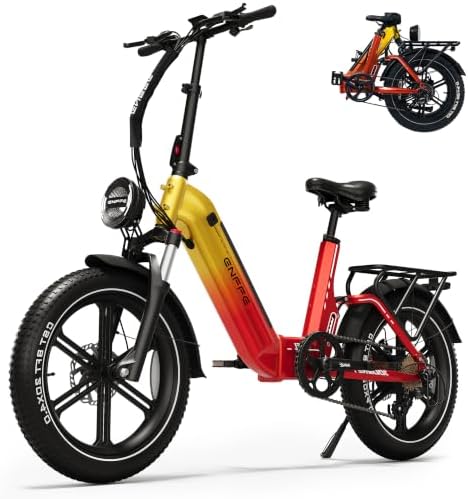
Here are the picks together, with live prices pulled from Amazon. The reasoning behind each one is in the write-ups above, and none of these positions were paid for.


Sources
- National Conference of State Legislatures — State electric bicycle laws: a legislative primer, for how the three-class system is defined and which states have adopted it.
- US Consumer Product Safety Commission — Micromobility: e-bikes, e-scooters and hoverboards, for battery fire risk, charging guidance and the case for certified equipment.
Checked September 2026. Regulations and published figures change; verify the current source before acting on anything here.
Keep reading
- Best commuter e-bikes
- Car-free and lower-car living
- All e-bike guides
- What UL 2849 actually certifies, and why “compliant” is a weaker word
- How fast can an e-bike go before you need a licence?